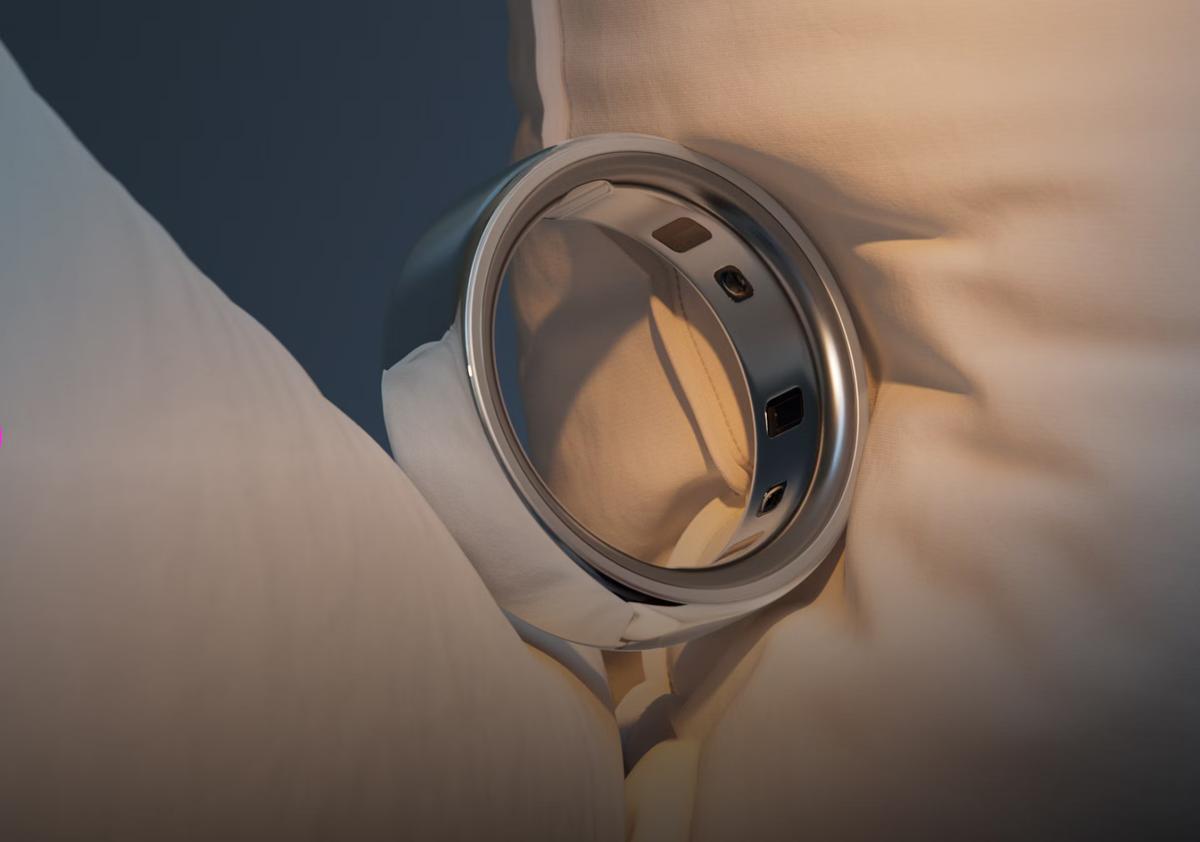
What is Oura Ring
Oura Ring is the smart ring that turned sleep tracking from guesswork into precise science you can wear on your finger. While competitors focus on basic step counting or flashy screens, Oura Ring specializes in what matters most for health: sleep quality, recovery, and readiness.
The health features are clinical-grade. Sleep stage tracking validated against polysomnography (the gold standard for sleep measurement). Heart rate variability (HRV) monitoring that measures autonomic nervous system function. Respiratory rate tracking for illness detection. Body temperature sensing with 0.13°C accuracy for cycle tracking and early illness warnings. Resting heart rate monitoring from your finger’s arteries (more accurate than wrist-based trackers).
This isn’t marketing hype. Oura partnered with UCSF for a major COVID-19 study tracking over 65,000 participants and demonstrated that the ring could detect illness onset before symptoms appeared. Research published in Nature shows Oura’s sleep staging accuracy matches clinical polysomnography within 5%. The NBA partnered with Oura during the pandemic to monitor player health in the bubble season.
The sleek titanium ring (weighing just 4-6 grams) is so comfortable you’ll forget you’re wearing it until you wake up to incredibly detailed insights about your recovery, sleep stages, and readiness for the day. With up to 7 days of battery life and no distracting screens or vibrations, it’s designed for continuous wear. That along with the fact that it can be used to help prevent, manage, or reverse health conditions is why Oura Ring and other fitness trackers qualify for HSA and FSA reimbursement.
Why Oura Ring Qualifies for HSA/FSA
IRS Publication 502 states that medical expenses are “the costs of diagnosis, cure, mitigation, treatment, or prevention of disease, and for the purpose of affecting any part or function of the body,” but “must be primarily to alleviate or prevent a physical or mental condition or illness.”
This means Oura Ring can qualify for HSA/FSA reimbursement when used for prevention or treatment of:
- Sleep disorders – Clinical-grade sleep stage tracking (light, deep, REM), sleep efficiency monitoring, respiratory rate analysis, and sleep latency measurement for insomnia, sleep apnea monitoring, circadian rhythm disorders, and sleep quality optimization
- Cardiovascular conditions – Continuous heart rate monitoring, HRV tracking for autonomic function, resting heart rate trends, and cardio fitness assessment for heart disease, arrhythmias, hypertension, and post-cardiac event recovery
- Mental health conditions – HRV-based stress monitoring, recovery tracking, sleep quality analysis for emotional regulation, and daily readiness scores for anxiety, depression, PTSD, and chronic stress management
- Metabolic disorders – Activity tracking for blood sugar management, sleep optimization for metabolic health, movement monitoring, and caloric expenditure tracking for diabetes, pre-diabetes, metabolic syndrome, and obesity
- Chronic fatigue and recovery – Daily readiness scores, sleep quality analysis, recovery optimization, and activity balance tracking for chronic fatigue syndrome, fibromyalgia, long COVID, and post-viral recovery
- Hormonal disorders – Temperature sensing for cycle tracking, sleep pattern monitoring, and physiological insights for PCOS, fertility tracking, perimenopause, and menstrual health
- ADHD and attention disorders – Sleep optimization, recovery tracking, and activity monitoring to support focus, medication effectiveness, and energy management
The key requirement is that a healthcare provider must document the health monitoring device as medically necessary for preventing or managing your specific health condition. This documentation comes in the form of a Letter of Medical Necessity (LMN).
How to Assess Your Eligibility
Traditional Route: Schedule an appointment with your primary care physician, discuss your health conditions and sleep concerns, and request a Letter of Medical Necessity if continuous monitoring is recommended as part of your treatment plan. This typically requires an office visit, potential wait times, and can cost $50-100+ depending on your insurance.
Faster, Smarter Route: Use Crates Health to get your Letter of Medical Necessity online in just a few minutes. Our platform connects you with licensed healthcare providers who can evaluate your conditions remotely and issue the appropriate documentation if you qualify. No office visits, no waiting weeks for appointments, and no surprise medical bills.
